Pre-visit consents: what is needed and how to protect your rights
Find out which consents are required before an appointment, the difference between informed consent and privacy, and how to withdraw your authorization or protect your data.

Pre-visit consent: what is needed and how to protect your rights
Informed consent and privacy policies cover different aspects: consent is required to begin or continue medical treatment, while the privacy policy explains how personal data is processed. Consent is necessary to start or continue care, the privacy policy must explain how personal data is processed, and it is always possible to revoke consent or request the shielding of documents in your medical record.
In brief:
Before signing, check that the form describes purposes, risks, benefits, alternatives including refusal of care, duration of consent, and revocation procedures.
The privacy policy must state the purposes, data controller, processed data, individuals authorized to access it, and retention periods; you can request access, rectification, or erasure.
You can revoke consent even during treatment and request the shielding of individual documents in your medical record, without forfeiting care.
Before your appointment, bring test results, current medications with doses and schedules, allergies, and noted symptoms, and ask for a copy of any signed documents.
TreatbaseEasier to manage consentTreatbase helps dental practices manage daily operations with digital tools, including automated patient reminders.Discover Treatbase
Table of contents
What is informed consent and when is it necessary
Privacy policy and GDPR: what you should be told before the visit
Forms and signatures: what a consent form contains and how to check it
Consent for minors and legally incapacitated individuals
Advance healthcare directives: how they interact with consent
Practical checklist to prepare for the visit: what to bring and what to note down
Patient rights after signing: revocation of consent and access to data
Questions to ask the doctor before signing: quick script
Why orderly consent management protects both patient and professional
Digitizing consent collection in dental practices
Frequently asked questions
Sources
What is informed consent and when is it necessary
Informed consent is the act by which a person, having received clear information about a medical treatment, freely decides whether to accept or refuse it. The Law on informed consent and advance directives (DAT) establishes that no medical treatment can be initiated or continued without the free and informed consent of the individual concerned, and it also regulates how this consent must be documented.
Consent can take different forms depending on the patient's needs:
written form, the most common for visits and examinations;
video recording, useful when the person cannot sign;
adequate communication tools for individuals with disabilities, ensuring a genuinely informed choice.
Regardless of the format, the document becomes part of the medical record. In cases where the patient is unable to express themselves, ask the healthcare facility for clarification on how consent is handled and how the situation is documented.
Privacy policy and GDPR: what you should be told before the visit
Before collecting any health data, the healthcare provider must provide you with an understandable privacy policy. The Data Protection Authority requires this document to be written in clear, non-technical language and to explain precisely what happens to your data.
A privacy policy may explain, among other aspects:
the purposes of the processing, that is, why your data is being collected;
who the data controller is and how to contact them;
which categories of data are processed and who can access them;
how long the data will be retained.
The Data Protection Authority grants patients the right to shield specific documents in their electronic health record, a practical tool for those who wish to limit the visibility of certain information while maintaining continuity of care, as outlined in the privacy guidelines. You can also request access, rectification, or erasure of your data, and freely decide whether to participate in the electronic health record system or decline it without compromising the care you receive.
Forms and signatures: what a consent form contains and how to check it
A well-drafted consent form allows you to truly understand what you are authorizing. Before signing, verify that it contains these elements:
the purpose of the treatment, explained in concrete, non-generic terms;
the expected risks and benefits, using understandable language;
the available alternatives, including the option of not proceeding;
the validity period of the consent and the procedures for revoking it;
contact details for the data controller should you need subsequent clarification.
Regulations on informed consent and DAT govern the methods of expressing and documenting consent. Ask the healthcare facility how the document is stored. Before signing, ask which consents pertain to medical treatment and which concern any additional purposes, such as marketing or the use of photographs.
Consent for minors and legally incapacitated individuals
For a minor patient, ask the healthcare facility who must provide consent and how the minor's wishes are taken into account. For more details, consult Law 219/2017.
For individuals under guardianship or legal support administration, the procedures for granting consent may depend on the specific protective measure. Request guidance from the healthcare facility.
ask the healthcare facility who can give consent and how the wishes of the individual receiving care are considered;
verify applicable guidance with the healthcare facility and consult the decree appointing the legal administrator (amministratore di sostegno);
in any case, the information must be adapted to the patient's level of comprehension, using simple language or alternative communication tools when necessary.
Advance healthcare directives: how they interact with consent
Advance healthcare directives, known as DAT, allow an adult of sound mind to express in advance their wishes regarding specific future medical treatments. There is no mandatory form for drafting them, but the national DAT database collects them and facilitates their consultation.
Before writing your DAT, it is recommended to:
consult with a trusted physician to understand the clinical consequences of the choices you wish to record, as outlined in advance healthcare directives;
consider appointing a healthcare proxy (fiduciario), a person who will represent the declarant's wishes in dialogue with physicians;
note that the national database registers a copy of the DAT and allows access via SPID or CNS, both by the declarant and by healthcare personnel in the event of subsequent incapacity.
For information on how to amend or revoke a DAT, consult advance healthcare directives.
Practical checklist to prepare for the visit: what to bring and what to note down
Arriving prepared makes consent more informed and the visit more effective. Here is what to bring and note down before your appointment:
an identity document and health insurance card;
recent medical reports, diagnostic test results, and discharge letters;
an updated list of medications taken, including doses and schedules;
a description of symptoms: when they appeared, how often they occur, and what aggravates or relieves them;
any relevant clinical history, including allergies and previous surgeries.
This preparation, also recommended by the MSD Manual for patients, helps the doctor evaluate your case more quickly and enables you to better follow the explanations you will receive before signing any consent form.
A tip: arrive a few minutes before your appointment, always ask for a copy of the policy you sign, and, if the topic is sensitive, have a trusted person accompany you to take notes on your behalf.

Patient rights after signing: revocation of consent and access to data
Signing a consent form does not finalize the matter permanently: it is always possible to change your mind. Here are the concrete rights you can exercise after signing:
revoke consent, even during the execution of a treatment, in accordance with the regulations cited on Normattiva; ask your doctor what consequences this choice may entail;
inquire about options for accessing health data and access logs to your health record by consulting the Data Protection Authority’s guidelines set out in the documents on the electronic health record;
request the shielding of specific documents in the health record, according to the guidance of the Data Protection Authority.
Questions to ask the doctor before signing: quick script
Before signing any form, ask these questions without worrying about seeming overly meticulous:
what benefits can I expect from this treatment, and what are the possible risks and alternatives;
how long will the treatment last and what follow-up checks are planned;
who will have access to my health data and how long will it be stored;
can I request the shielding or erasure of certain information in the future;
can I have a written copy of the information sheet or a link for further details before making a decision.
You always have the right to take time to reflect before signing, especially when the treatment is not urgent.
Why orderly consent management protects both patient and professional
Anyone involved in healthcare administration knows that clarity in pre-visit documents is not a mere formality: it is the difference between a patient who genuinely understands what they are signing and one who signs out of haste.
A well-written privacy policy and an orderly archive of consent forms reduce misunderstandings and build mutual trust between the patient and the practice. When documents are clear from the outset, subsequent revocations, access requests, or modifications also become easier to handle for both parties.
Always keep a copy of what you sign and do not hesitate to contact the practitioner with questions, even after the visit.
— Matteo
Digitizing consent collection in dental practices
For dental practices looking to stop managing paper forms, software solutions designed specifically to sign, archive, and track consent in a compliant manner are available. We work on this with Treatbase, our dental practice management software: we offer tools for digital signing and archiving of consent documents.
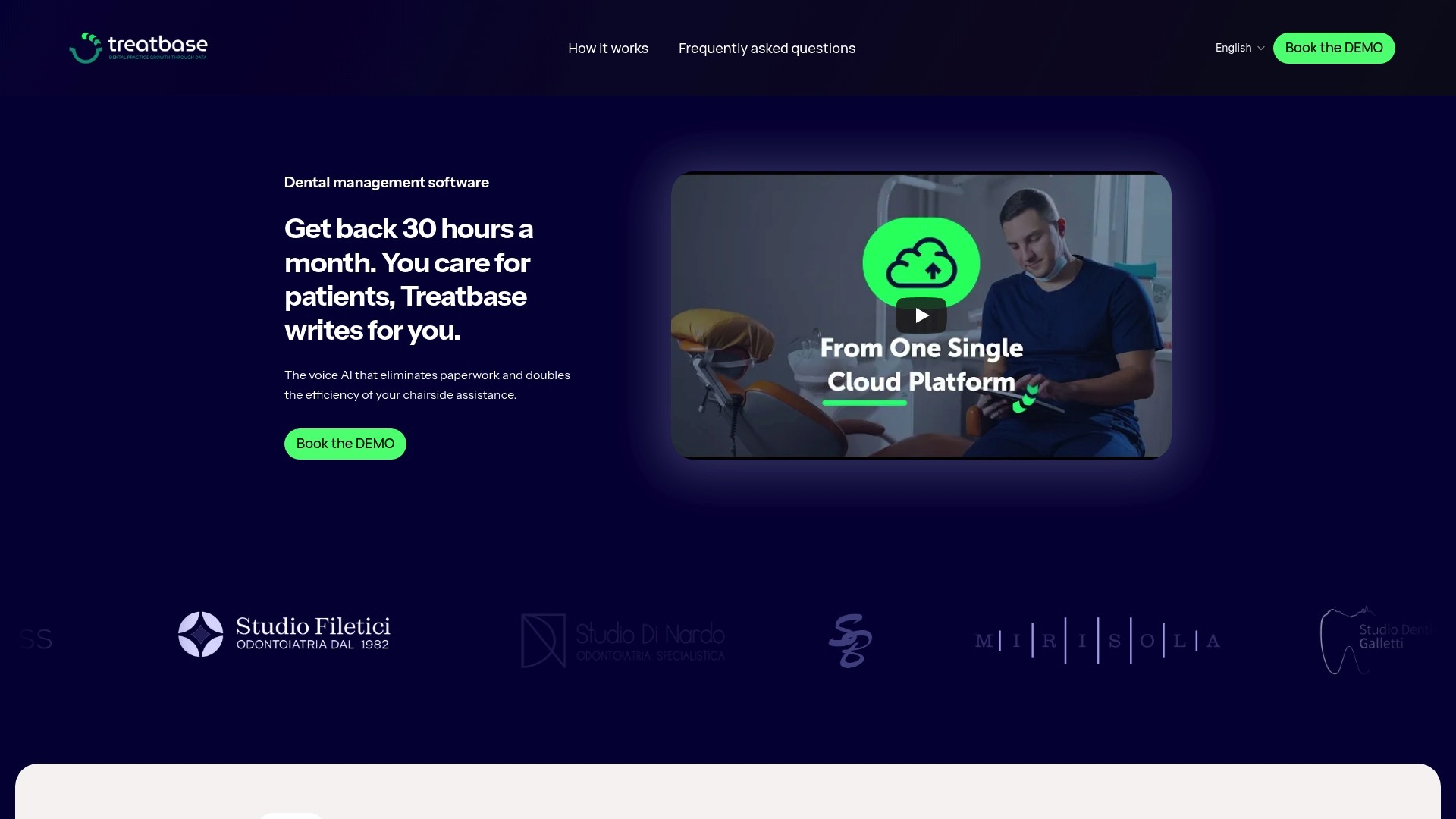
This type of digital management can help the practice organize and retrieve consent documents easily. Check with the provider to see how the solution manages applicable data protection obligations. If you manage a practice and want to see how it works, visit our dental management software page.
This article provides general information and does not replace the advice of a qualified physician. Consult a qualified healthcare professional regarding your specific case before acting on any of this content.
Frequently asked questions
How is a valid privacy consent written?
Valid privacy consent stems from a clear privacy policy that explains the purposes, data controller, categories of processed data, and retention periods, as required by the Data Protection Authority. The text must use understandable language without unexplained technical terms, and the patient must be free to choose whether to consent.
When is informed consent necessary?
Informed consent is necessary whenever medical treatment is initiated or continued, as established by the Law on informed consent and DAT. The only exception is an emergency situation, where the patient cannot express their wishes and no legal representative is available.
Is consent from both parents required for a medical visit?
Procedures for granting consent to care for a minor may depend on the situation. Ask the healthcare facility whether the presence or authorization of one or both parents is required.
When is consent not necessary?
The obligation remains to document the situation and inform the patient as soon as possible.