Digital treatment plans: what practice management software needs to offer
Discover what digital treatment plan software should offer: diagnoses, therapies, quotes, images, and consents, with fewer errors and legal risks.

Digital Treatment Plans: What Practice Management Software Must Offer
Digital treatment plans are clinical documents managed within practice management software that bring together diagnoses, treatment plans, estimates, images, and consents into a single electronic record. For a dental practice, verifying that the software covers these minimum elements is the first step toward reducing administrative errors and strengthening legal protection. A platform like Treatbase was created specifically to support this structure without complicating the team's daily work.
In brief:
The plan must link diagnoses, treatment phases with timelines, alternative estimates, clinical images, and dated consents to the patient record.
Biometric electronic signatures have the same evidentiary value as handwritten signatures only with an informative notice, specific patient consent, and a dedicated insurance policy.
The electronic health record requires data encryption and segregation, while access logs must be retained for at least 24 months.
Before a full migration, test templates and workflows with a small group of active patients, then verify permissions, backups, and data quality.
TreatbaseSimplifies treatment plan managementTreatbase uses voice AI to streamline daily work and reduce paper management in the dental practice.Discover Treatbase
Table of Contents
What components a digital treatment plan must include
What operational and legal benefits digitalizing treatment plans offers
What regulatory obligations apply to digital treatment plans
How to implement digital treatment plans in practice management software: a practical checklist
How to keep the clinical conversation at the center of digital documentation
Why digitalizing treatment plans with a voice system is worthwhile
Try Treatbase for your practice's digital treatment plans
Frequently Asked Questions
Sources
What components a digital treatment plan must include
Management software designed for digital treatment plans must cover certain non-negotiable fields; otherwise, the document remains merely a list of procedures lacking clinical or legal value. The baseline structure includes demographic details, medical history, diagnosis, and a treatment path traceable over time.
Demographics and brief medical history: patient details and relevant conditions gathered in a structured format, not in a generic notes field.
Diagnosis and treatment goals: clear clinical coding linked to the proposed procedures.
Treatment phases with timelines: breaking down the path into verifiable milestones, rather than a single indistinct block.
Estimates with alternatives: comparable treatment options, complete with space for explicit patient approval.
Linked clinical images: radiographs and scans directly associated with the relevant line item in the plan.
Log of consents and revocations: every signature or refusal dated and stored alongside the plan.
An in-depth technical analysis of linking diagnostic images to the treatment plan, including the use of imaging files for bite analysis, is available in the guide to digital bite analysis created by a practice specializing in restorative and sleep dentistry.
What operational and legal benefits digitalizing treatment plans offers
Switching to digital treatment plans impacts time, clinical quality, and legal protection—three areas that directly affect practice profitability. Automation minimizes manual steps where costly errors tend to occur, from incorrect billing to incomplete records.
Inadequate clinical documentation is among the most frequent causes of issues in professional liability claims: robust traceability often makes all the difference in protecting the practitioner.
Less time spent closing the clinical record after each appointment.
Fewer billing errors tied to manual transcription or missing data.
Comprehensive traceability of diagnoses, consents, and plan updates in the event of a dispute.
Smoother communication with the patient thanks to automated reminders and updates.
What regulatory obligations apply to digital treatment plans
Anyone managing digital treatment plans must adhere to a specific regulatory framework concerning both informed consent and the storage of health data. Law 219/2017 requires that consent be documented in the medical record and collected using tools suited to the patient’s condition, including written or assisted formats.
Consent must be recorded in the medical record, not merely collected on a separate paper form.
A biometric electronic signature carries evidentiary value equivalent to a handwritten signature, but requires an informative notice, specific consent, and a dedicated insurance policy for the procedure, as set out in the AGID technical guidelines.
The electronic health dossier must incorporate encryption, segregation of health data from other records, and retention of access logs for at least 24 months.
The practice remains responsible for determining who signs, how documents are archived, and for how long, regardless of the software provider.
How to implement digital treatment plans in practice management software: a practical checklist
Transitioning from paper or scattered files to a structured system demands a precise sequence of steps, not just purchasing the software. Here is how to proceed without leaving gaps in the process.
Define templates and standard operating procedures for routine services (hygiene, restorative, implantology) and load them into the software as a standardized starting point.
Configure workflows for consent, updates, and plan versioning so every modification is logged with date and author details.
Assign staff roles and permissions, enabling access logging to comply with the audit trail requirements mentioned above.
Plan historical data migration: perform a prior backup, map fields between old and new systems, and run quality checks on a sample of records before the final switchover.
Train the team and establish adoption metrics, using periodic reviews to ensure plans are actively updated and completed, rather than just created during the initial visit.
A helpful tip: before migrating your entire history, test the new workflow with a small group of active patients to identify any missing fields in the template.
Distinct templates for initial examinations, check-ups, and emergencies integrated into the software reduce charting time and errors while preserving room for clinical notes when needed, in line with dental record-keeping standards adopted in hospital settings.
How to keep the clinical conversation at the center of digital documentation
A well-designed template does not replace dialogue with the patient; it simply makes it quicker to document. Informed consent is a continuous process: updating it through version notes, rather than rewriting it from scratch, better reflects clinical reality.
Always keep a field for freeform contextual notes alongside structured template inputs.
Document informed refusals along with the patient’s reasoning and the alternatives presented, not just a signature of refusal.
Link images, reports, and documentation directly to the specific moment during the appointment when they were captured.
The treatment plan must be tailored, documented, and shared with the patient starting from the initial visit, adhering to clinical recommendations from the Ministry of Health.
Clinical guidelines in odontostomatology from the Ministry of Health place strong emphasis on this balance between standardization and individual care.
Why digitalizing treatment plans with a voice system is worthwhile
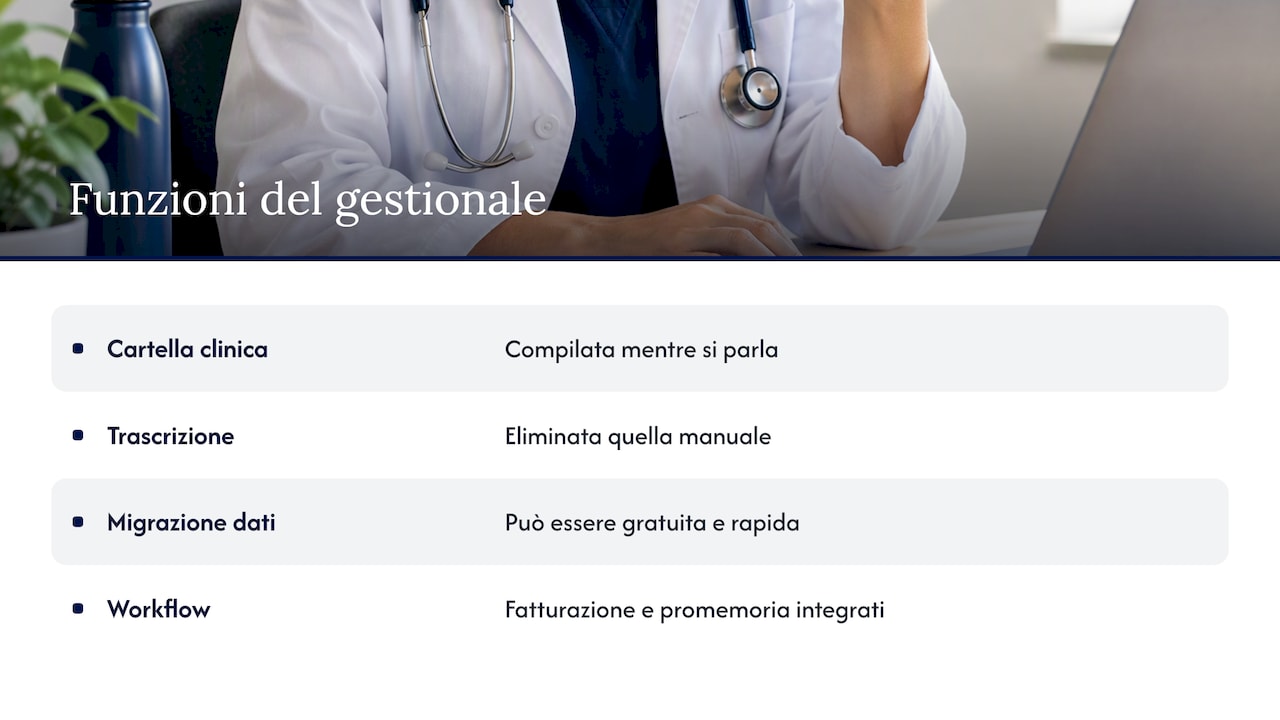
The features that truly matter to practice owners are those that eliminate manual tasks without creating extra steps. Within practice management software, voice-driven AI can populate clinical charts while you speak with the patient, eliminating the manual typing that delays finalizing the treatment plan. Historical data migration can be fast and free—a tangible advantage when following the transition outlined in the previous checklist. Automated billing and patient reminders can be seamlessly built into the same consent and update workflows required by regulations, avoiding redundant tools or processes.
Try Treatbase for your practice's digital treatment plans
Digitalizing treatment plans means less time lost to transcription, fewer billing mistakes, and a level of traceability that safeguards the practice against disputes. These outcomes are made possible by platforms combining voice AI, consent management, and seamless data migration at no additional cost.
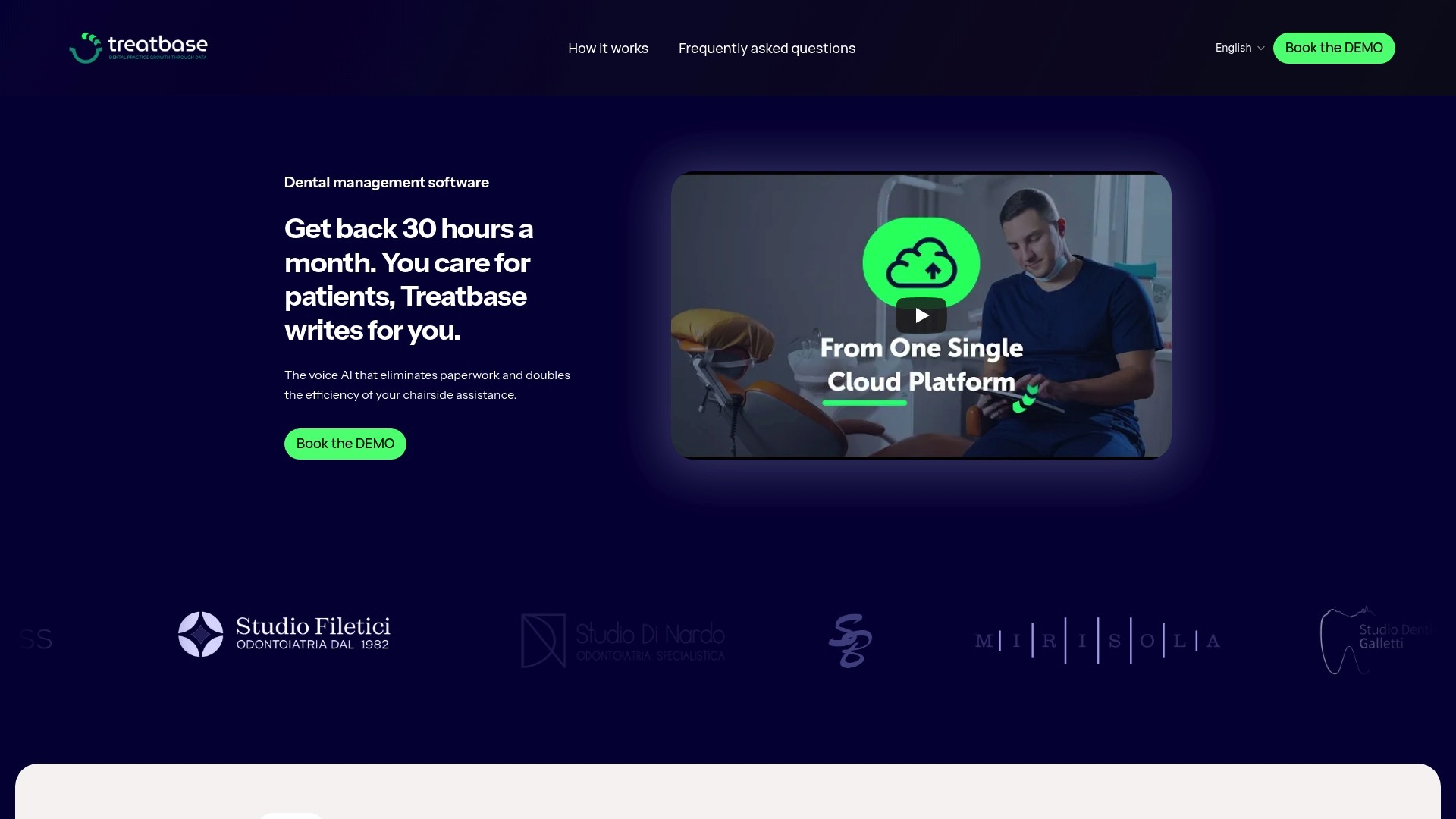
Voice-assisted clinical charting, eliminating manual typing.
Free historical data migration, complete with field mapping and pre-launch testing.
Automated billing and reminders to lighten the day-to-day administrative load.
Request a demo on the Treatbase product page to see how easily it integrates into your practice workflows.
Frequently Asked Questions
What must a digital treatment plan contain by law?
A digital treatment plan must include diagnoses, treatment stages with timeframes, estimates with alternative options, associated clinical imaging, and a record of consents obtained from the patient. Law 219/2017 also mandates that informed consent be documented within the medical record itself.
Are biometric electronic signatures valid for dental consent?
Yes, biometric signatures hold evidentiary weight equal to handwritten signatures provided they satisfy technical criteria, including clear disclosures and specific patient consent to the process. The practice must also hold a dedicated insurance policy covering the use of this signing procedure.
How long must access logs for electronic health records be stored?
Guidelines from the Data Protection Authority require a minimum retention period of 24 months for access logs to health data, which must be retrievable in case of audits or incidents. A practical recommendation is exporting quarterly reports for the practice’s administrative management.
How does artificial intelligence integrate into digital treatment plans?
Artificial intelligence in dental management software assists with diagnostic imaging analysis and suggests therapeutic alternatives based on historical patient records, as highlighted in the American Dental Association's overview of AI applications. With Treatbase, voice AI focuses on automatically generating clinical records throughout the consultation, drastically cutting down charting time.
How much does software for managing digital treatment plans cost?
Pricing varies depending on the provider and the specific features included in the selected tier. For Treatbase, software pricing is available upon request via the product page.